150 million lines of code and counting… The move to autonomy,
connectivity and electrification adds complexity to vehicle design, forcing
automakers to rethink car architecture. What is needed for automakers to
transition to a software-first, data-driven vehicle?
Big SoCs are essential to cars, but the requirements go beyond the
capabilities of supercomputers found in data centers. The move toward more
autonomous, connected and electric mobility
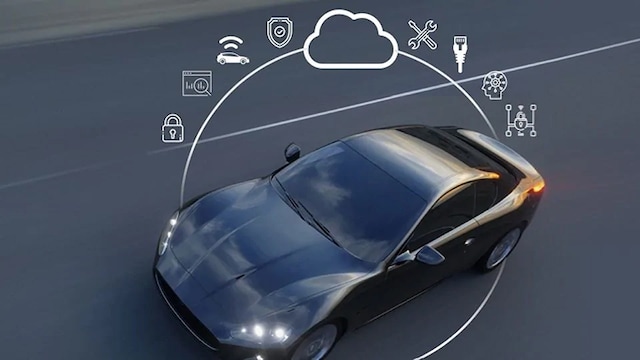
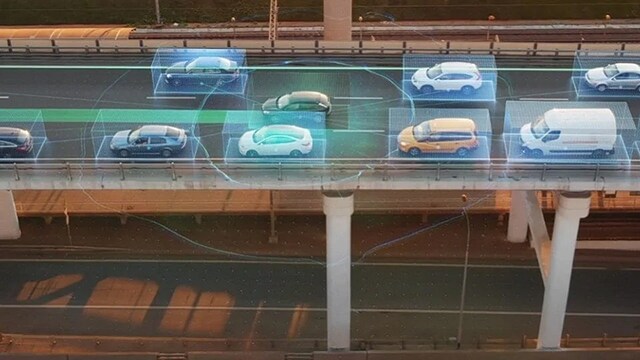
is boosting the amount of electronics and software. Massive amounts of data
generated from sensors must be securely and safely processed and routed across
the vehicle and to the cloud—tasks that are not suitable for
traditional vehicle network architectures and many of today’s
microcontrollers.
Increasing complexity, from artificial intelligence at the edge to high-speed
in-vehicle networks, requires
smart semiconductor solutions that deliver big processing
improvements.
During this keynote at the 2019 NXP Tech Days in Detroit,
Kevork Kechichian, NXP Senior Vice President of Microcontroller and
Processing Engineering, shares our approach: A common architecture and platform for safe, secure
high-performance domain computing optimized for automotive.
Jim Buczkowski, Henry Ford, Technical Fellow and Director of Ford Research
and Advanced Engineering,
shares the long history of Ford’s collaboration with NXP and gives his
candid perspective on key computing attributes and architectures.
Monica Davis leads Automotive Marketing Communications at NXP Semiconductors. With a focus on software-defined vehicles and next-generation automotive platforms, she connects technology trends to the challenges and opportunities facing the mobility industry.