Getting Started with the S32K344MINI-EVB Evaluation Board for General Purpose

上次修改时间: Jan 20, 2026 new 支持 S32K344MINI-EVB评估板

本文档内容

  • 1

    Out of the Box
  • 2

    Get Software
  • 3

    Plug It In
  • 4

    Build, Run

1. Out of the Box

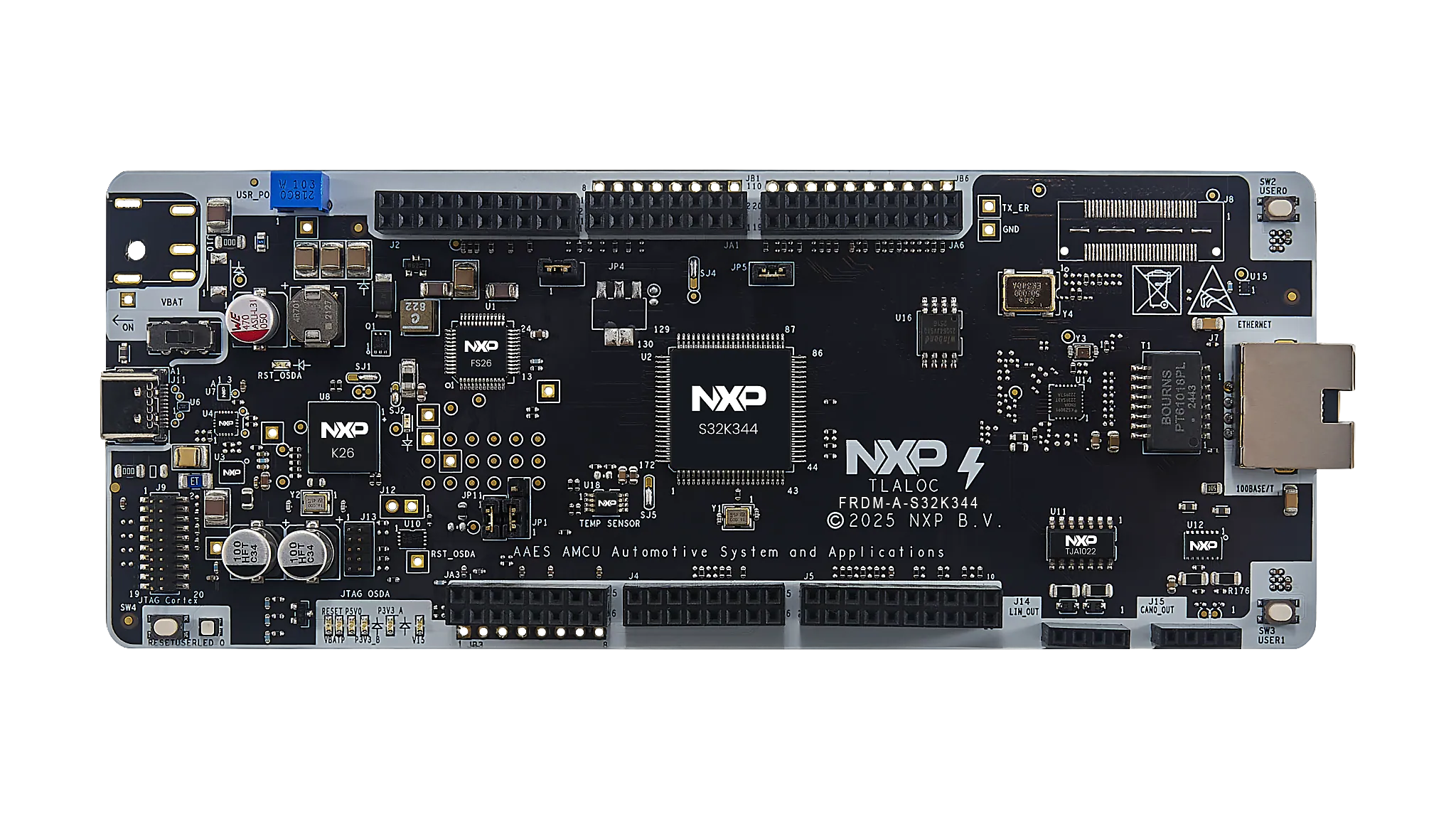
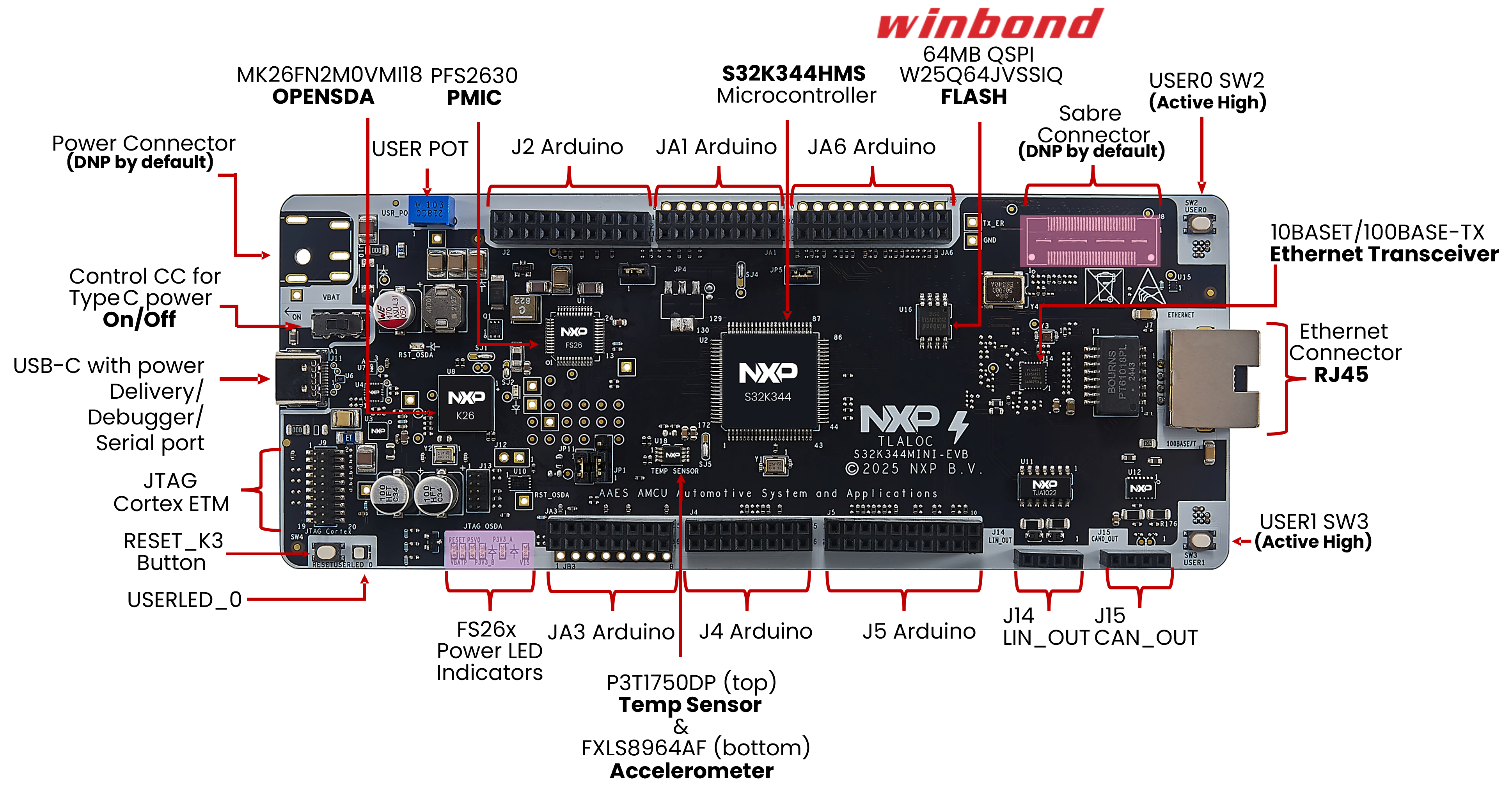
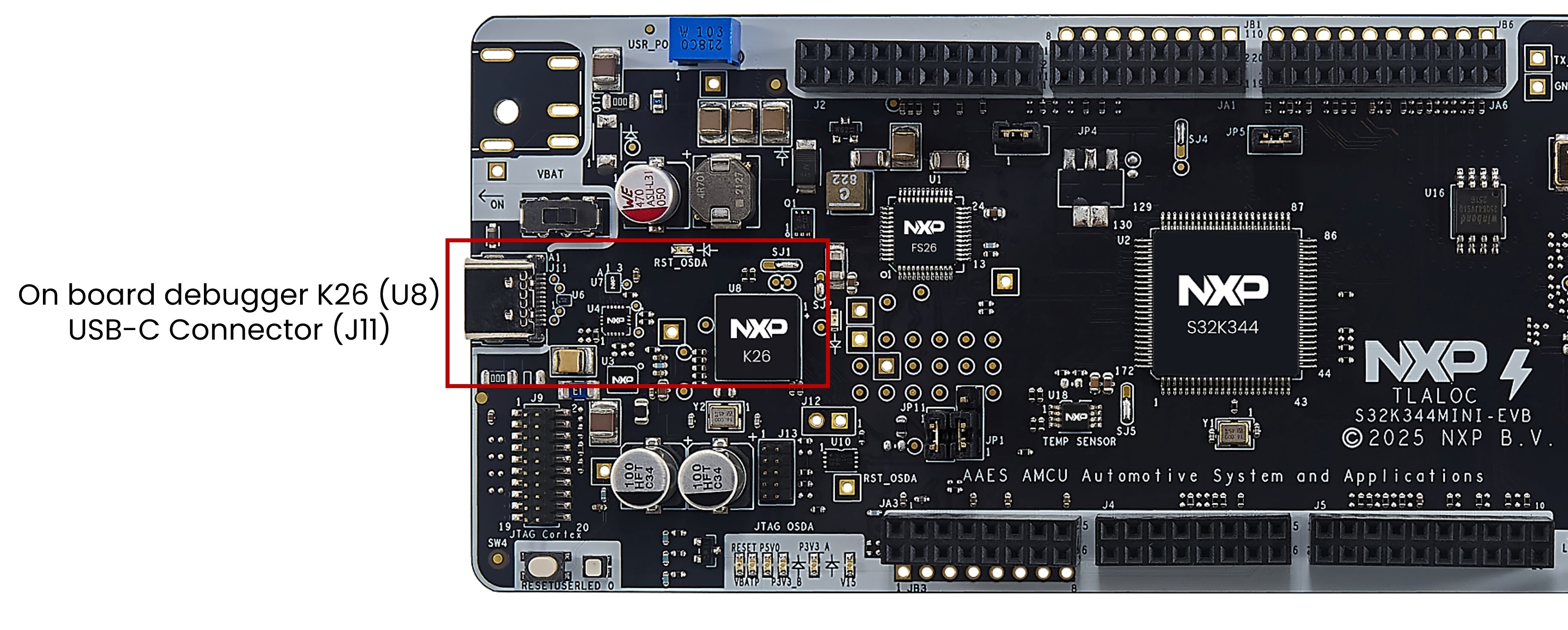
1.1 Get to Know the S32K344MINI-EVB Evaluation Board

S32K344MINI-EVB Evaluation Board

S32K344MINI-EVB Evaluation Board

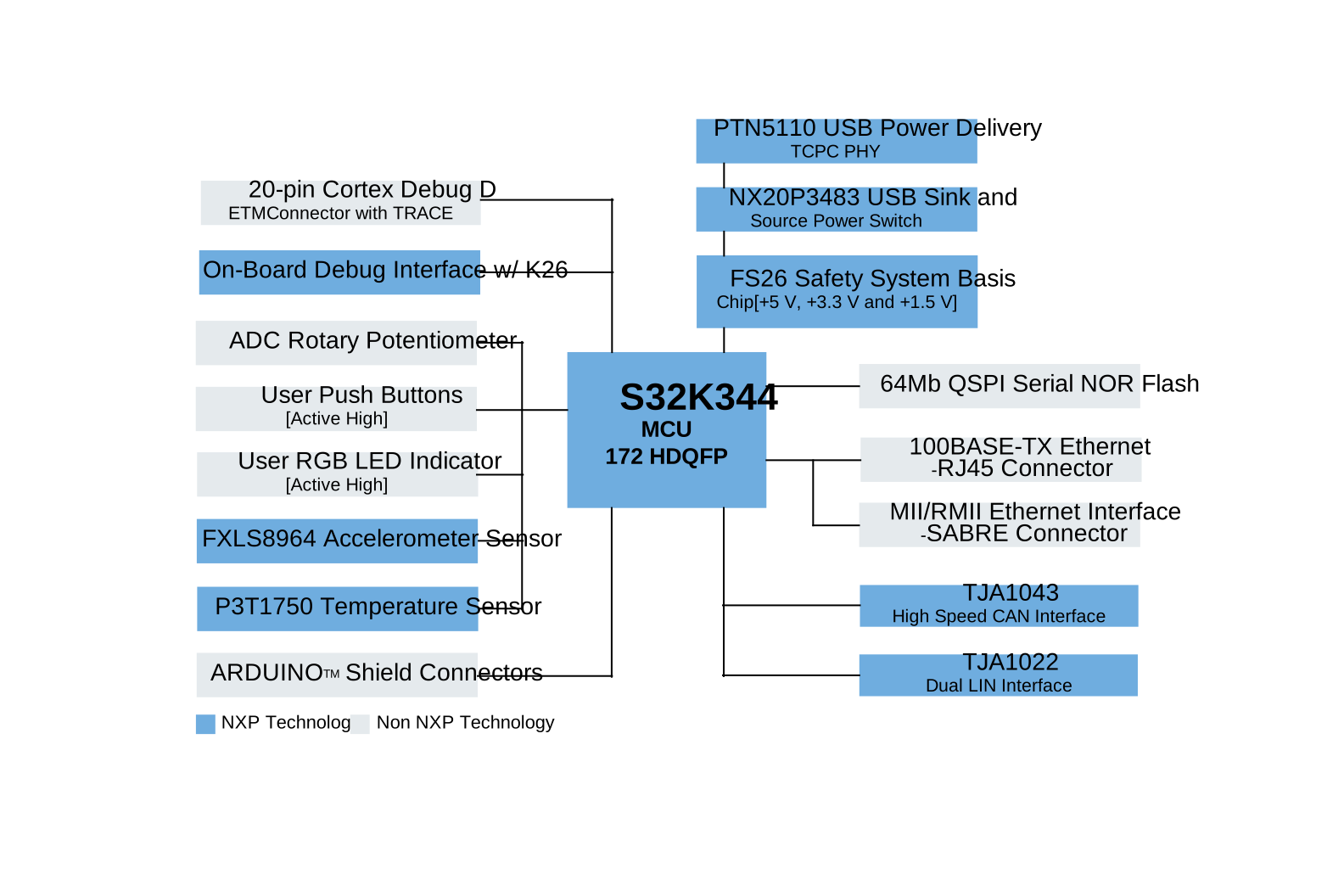
1.2 Block Diagram Features

S32K344MINI-EVB Block Diagram

S32K344MINI-EVB Block Diagram

2. Get Software

You can watch the video or follow the below step-by-step guide below to set up your software for the S32K344MINI-EVB evaluation board:

2.1 Get the Integrated Development Environment (IDE)

Download and install the S32 Design Studio IDE for S32 Platform.

DOWNLOAD S32 DESIGN STUDIO IDE

2.2 Install the S32K3xx Development Package and RTD

Go to Help → S32DS Extensions and Updates from the top menu to open the S32DS Extensions and Updates dialogue.

Continue with the installation of the RTD for S32K3xx:

2.3 Download and Install the Elektrobit tresos Studio and Real-Time Drivers (Only AUTOSAR® Users Only)

Download and install Elektrobit tresos Studio/AUTOSAR Configuration Tool from S32K3 Standard Software Package.

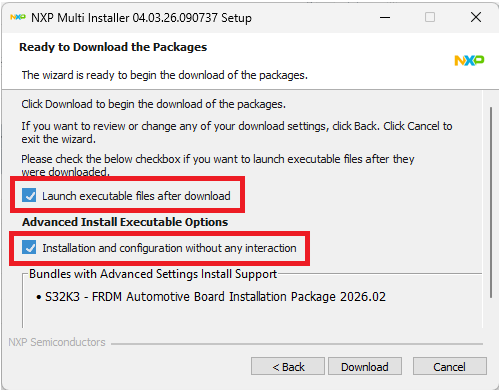
S32DS Tresos Installer

S32DS Tresos Installer

Download and install the .exe file of the S32K3 Real-Time Drivers for Cortex-M from the S32K3 Standard Software Package.

The installer will ask for the EB tresos installation directory on your disk, saving time in configuration.

2.4 Get the Run-Time Debugging Tool

S32K344MINI-EVB performs better when using the FreeMASTER Run-Time Debugging Tool.

DOWNLOAD FREEMASTER TOOL

The FreeMASTER communication driver for S32K3 microcontrollers is also needed. Download it from the Automotive SW → S32K3 → S32 FreeMASTER link in the S32K3 Standard Software Package.

Open S32DS Extensions and Updates dialog (Menu → Help → S32DS Extensions and Updates), click on the Add Update Sites link and navigate to the FreeMASTER communication driver for S32K3 (zip file starting with "com.") on your disk.

Install the FreeMASTER communication driver for S32K3.

Aditional optional software may be downloaded from the S32K3 Reference Software Package.

3. Plug It In

3.1 Plug in the Power Supply

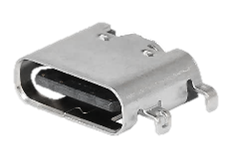
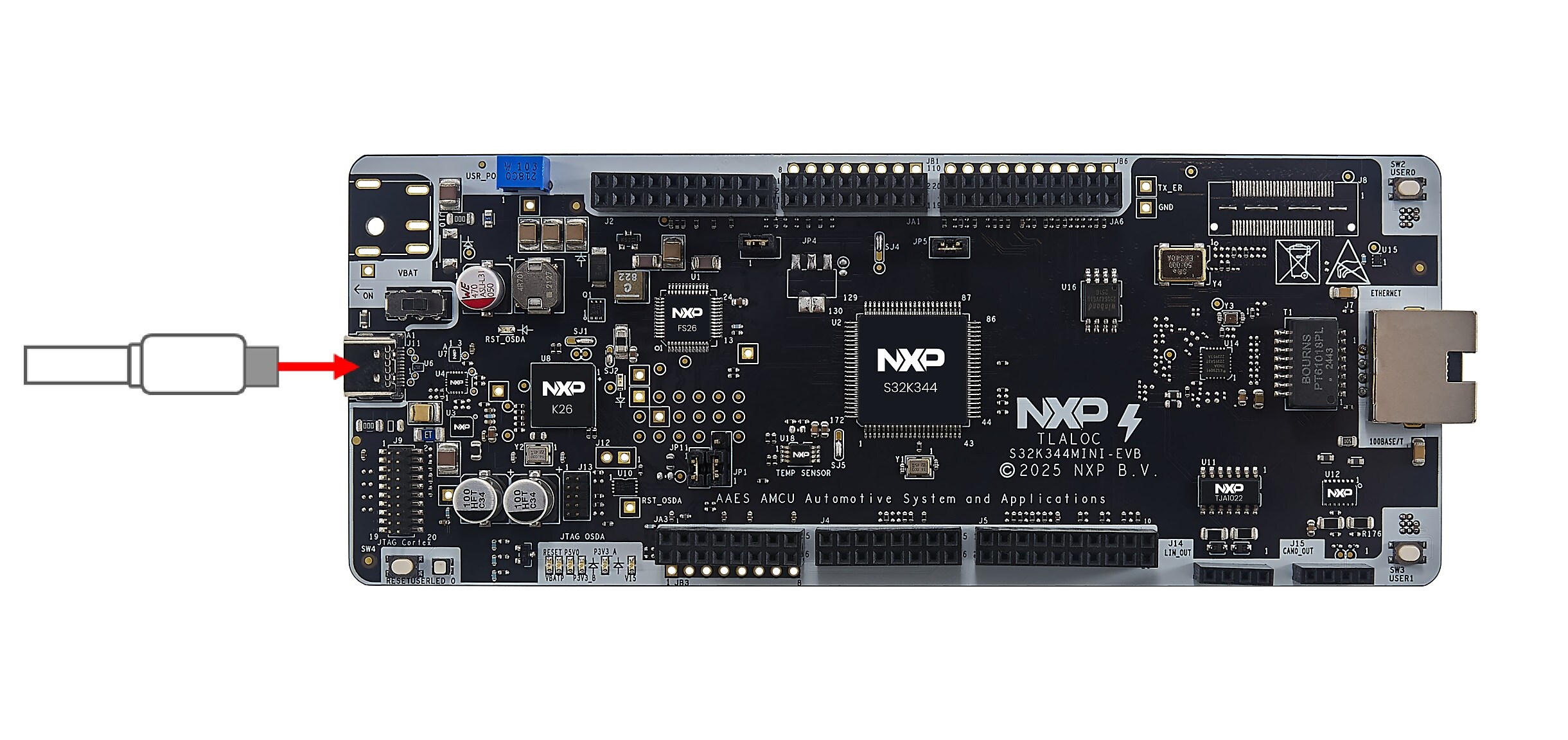
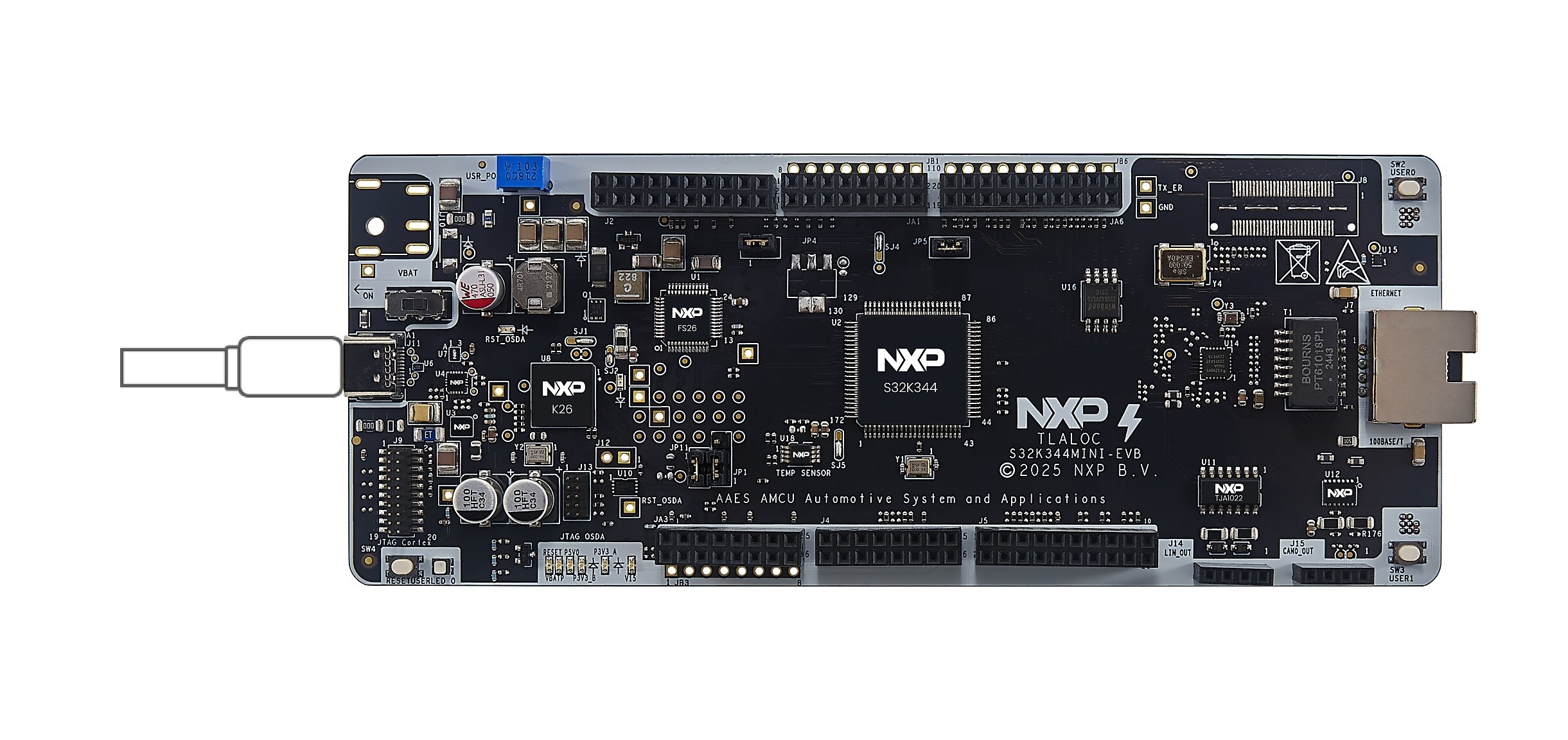
The first method to provide power is via J9 USB-C connector (this board does not include power delivery), but the current will be limited to 500 mA (this to enable for Desktops with USB-A or USB-C connector), so this supplying method is only recommended for low-demand current applications. Even in this supplying method Controller Area Network (CAN) or Local Interconnect Network Physical Layer (LIN PHY) (Is not recommended to use both PHYs at maximum current demand at the same time) can work because the FS26 enable a boost circuit to supply the +12.0 V voltage refences of the PHYs.

GS-S32K312MINI-EVB-IMG1 GS-S32K312MINI-EVB-IMG2

The maximum current demand for +12.0 V in this supplying method is 170 mA due to the boost circuit consumption. To supply the board with the above descripted methodology, follow the steps descripted in the Table 5.

3.2 Start-up Sequence

Ensure that the jumpers J19 and J20 are placed in the position 1 - 2 in order to power supply via the USB-C connector (J9).

Plug in the USB-C sire to the J9 connector.

3.3 Connect the Debugger Cable

Connect a USB-C cable to the J9 connector to debug via the on-board S32K3 debugger.

4. Build, Run

Now let's take your S32K344MINI-EVB Evaluation Board for a test drive.

4.1 Create a S32DS Project from Example

Open S32DS and from the menu, go to: File → New → S32DS Project from Example. Select one of RTD example codes. You may choose between examples with high-level application programming interface (API) or with low-level API. For example: Port_example_K312.

S32DS Project from Example

S32DS Project from Example

4.2 Using the Configuration Tool

Double-click on the .mex project file.

S32K312EVB-Q172 Mex File

Please ensure that you configure the appropriate project and click on "Update Code" button for generating configuration files.

S32K312EVB-Q172 Update Code

4.3 Upload Software and Debug

Return back to the C/C++ perspective.

S32K3 Automotive Telematics Box (T-Box) perspective

Refer to the Debug Configuration menu and select one of the predefined debug configurations for building and uploading software into the MCU.

S32K3X4EVB-Q172-GS-DEBUG-IMG

S32K312EVB-Q172 Debug Configuration

S32K312EVB-Q172 Debug Configuration

The S32DS will switch into debug perspective where you may let the code run.

S32K3X4EVB-Q172-GS-RUN-IMG

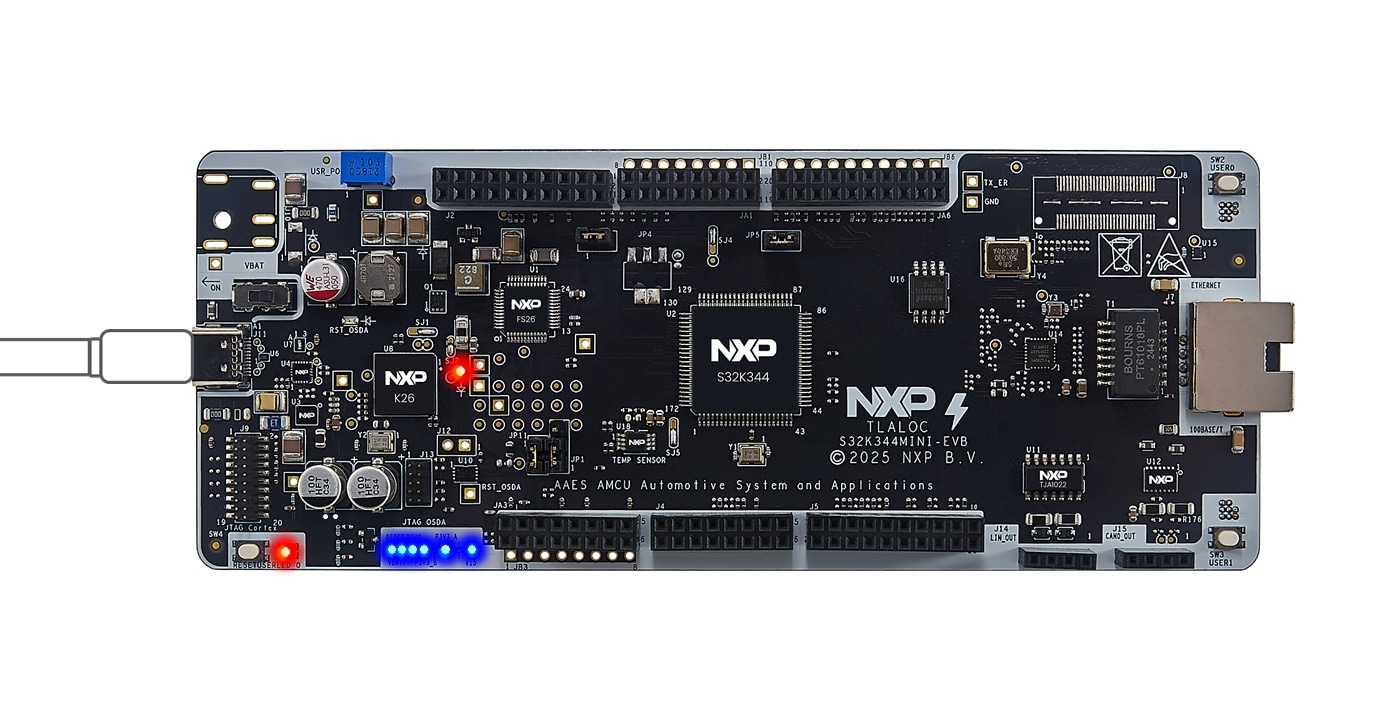
The red LED will now blink for approximately 10 seconds.

Support

Forums

Connect with other engineers and get expert advice on designing with the S32K344MINI-EVB Evaluation Board using our community sites.